Preschool in Brooklyn (3-5 Years)
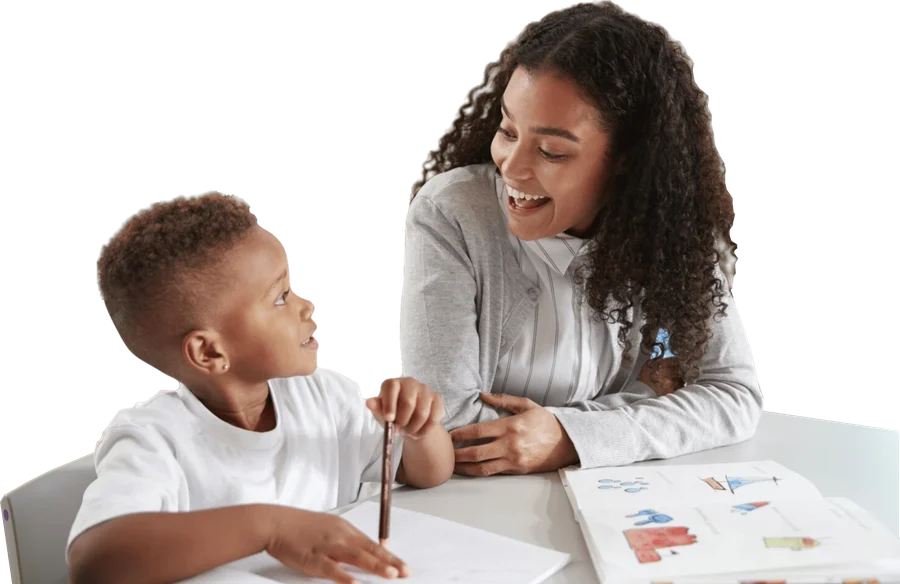
2:15 teacher-to-child ratio
Early literacy: letter recognition, phonics readiness, story time
Early math: counting, patterns, shapes and simple comparisons
Social-emotional learning built into daily routines, not a separate lesson
Structured classroom routines that mirror a kindergarten day
Independence skills: following multi-step instructions, self-directed cleanup, waiting turns
Kindergarten ReadinessIs What You're Actually Buying
Questions Worth Asking Any Preschool, Including Us
We’re happy to answer all of these directly on a tour, and we’d encourage you to ask the same questions anywhere else you’re considering.
What a Preschool Day Looks Like
How Little Me Fits Alongside
NYC's 3-K and Pre-K for All
Families in Crown Heights often ask how our preschool relates to New York City’s free 3-K and Pre-K for All programs, which are separate, DOE-run options applied for through MySchools. The two aren’t in competition. Some families use DOE 3-K or Pre-K for a year and then continue with us, and some choose the continuity of one center from infancy through kindergarten instead. We’re glad to talk through which fits your family, and you can read a fuller comparison on our 3-K and Pre-K for All page.
Frequently Asked Questions
What age range does the preschool program cover?
Our preschool program serves children ages 3 to 5, through kindergarten entry.
What is the teacher-to-child ratio in preschool?
We maintain 2 teachers for every 15 children in our preschool classrooms.
Does the preschool program prepare children for kindergarten?
Yes. Kindergarten readiness is the central focus, covering early literacy, early math and the social-emotional skills a kindergarten classroom expects.
Is Little Me's preschool the same as NYC's free Pre-K for All?
No, Pre-K for All and 3-K are separate, DOE-run programs applied for through MySchools. Little Me is a private preschool program. Some families combine the two across different years; we’re happy to talk through what makes sense for yours.
What does a typical preschool day look like?
Mornings focus on literacy and math instruction, followed by outdoor time, lunch and rest, with afternoons for art, music and social skill-building through small-group activities.
How do you handle a child who isn't ready to sit still for group activities?
We build up group-sitting stamina gradually and pair it with plenty of active time. It’s normal for 3-year-olds to need more movement breaks than 5-year-olds, and our schedule reflects that.